A knockdown rebuild can be a fantastic way to achieve your dream home without the hassle of needing to relocate. These projects can also make lucrative investments for homeowners, or investors alike. We’ve compiled a handy guide covering the potential items to factor into your budget for each phase of your knockdown rebuild. Knockdown rebuilds range from $400k up to $1.2m+. For example, an entry level Australian home with project finishes and materials, with a straightforward demolition would start at the $400k mark. Elements such as the location, selected home design complexity and finishes, findings during site inspection, land shape, slope and terrain will form the overall final cost of your project.

How Much Does a Knockdown Rebuild Cost?
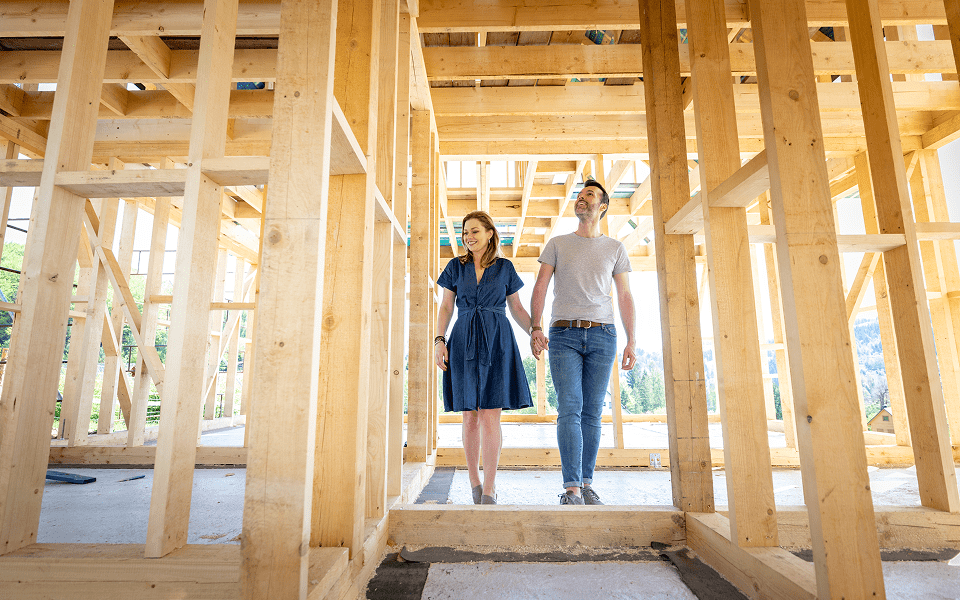


How Much Does a Knockdown Rebuild Cost?
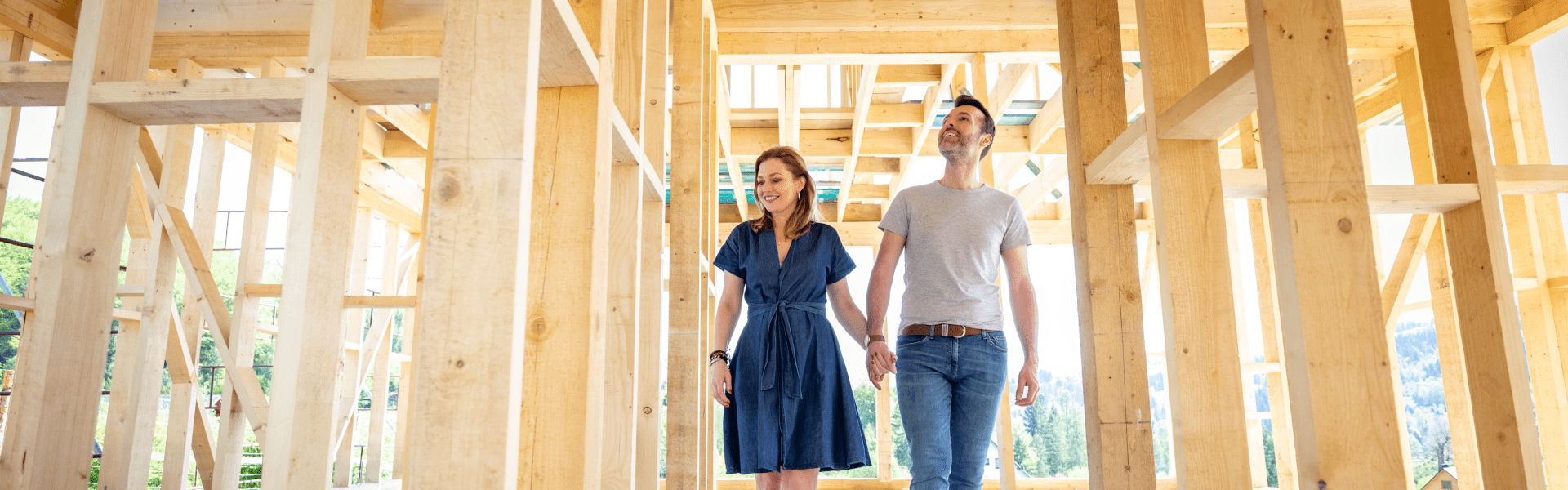
What is a Knockdown Rebuild?
A knockdown rebuild is the process of demolishing an existing home and building a new one on the same block of land. It is a popular alternative to renovating or selling and moving, providing a blank canvas to build a modern home that suits an evolving lifestyle. These projects are often faster than renovations and gain the added benefit of a fresh start with builders warranties.
Once you’ve had a consultation with your trusted builder to work together on your future home design and budget, there are several additional key phases of a knockdown rebuild to factor into your total budget plan.
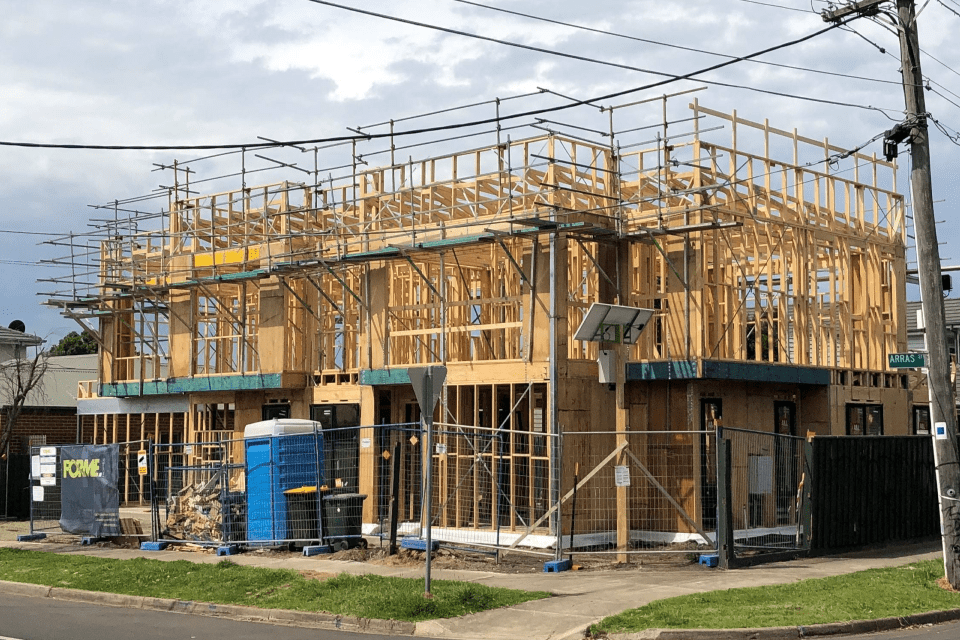
Key Costs During the Knockdown Rebuild Process
The four key stages of a knockdown rebuild are pre-site inspection and preparations, demolition, site preparation for the new build, and finally construction.
1. Pre-Site Inspection and Preparations
Pre-site inspection and preparation includes permits, asbestos surveys and service disconnections. The cost is typically between $4,000 to $9,000+. This stage involves the technical analysis before the physical work begins. Costings for this stage include:
- Permits and council fees: $500 to $3,000+ for standard residential properties. All permits must be secured prior to demolition beginning. They include:
- Section 29A Report and Consent: $96.70
- Demolition permit: $100 to $1,500
- Asset protection permit: $300 to $980
- Planning permit: $200 to $1,700
- Building permit: $1,000 to $5,000
- Water, gas or electricity disconnection: It will cost between $200 and $1,500+ to disconnect gas, electricity or water from a house that is being demolished. These services often require permanent disconnection or abolishment (removal and capping of the service line at the mains).
- Site survey and soil testing: Surveys for boundary identification and soil reports cost between $1,000 and $2,500. A site survey will assess the property and identify hazards and logistical constraints to ensure safe demolition. A preliminary soil test is done to identify soil reactivity while the house is standing. Understanding the type of soil is important for engineering and design purposes.
- Hazardous material survey: A hazardous material inspector will charge $500 to $1,500 to inspect the house for asbestos or other contaminants.
- Asbestos removal: If asbestos is identified it must be removed prior to demolition works starting. A full house removal ranges between $1,500 to $10,000+ depending on the amount and complexity.
2. Demolition Costs
Costs range from $20,000 and $50,000 to demolish a house, varying by size and complexity. You could expect a single storey house to range between $20,000 to $25,000 to demolish, while a larger, more complex demolition could be upwards of $50,000.
Demolition companies generally quote the cost to demolish a house in terms of rate per square metre. The average cost for demolition in Australia is $40 to $100 per square metre, however this varies from state to state.
Average Cost of Demolition by Square Metre:
- Victoria: $40 to $105
- New South Wales: $53 to $114
- South Australia: $38 to $100
- Western Australia: $35 to $98
- Northern Territory: $40 to $100
- Queensland: $40 to $85
- Tasmania: $40 to $65
Factors that Impact Cost of the Demolition Phase
- House size: Large houses or multi-storey buildings will cost more than a small, single storey home. Some contractors base their fees for demolition on square metreage, making a larger footprint home more expensive.
- Construction materials: Homes constructed from heavy materials like brick, concrete or stone are generally more expensive to demolish than lightweight materials like timber or aluminium cladding. The heavy materials are more difficult to break down and often require specialised machinery like jackhammers or hydraulic excavators. They take longer to demolish and create more debris and higher landfill disposal costs.
- Site access: The ability to access the site significantly impacts demolition costs. Sites that are challenging such as sloping blocks, or narrow driveways may require more specialised equipment that add to the expense. Blocks with obstructions like trees or existing structures like an inground pool, garages or outbuildings can add complexity to the demolition process. A simple knockdown then becomes a multi step process with additional costs. Pool material will need to be broken down, removed and the void filled with soil. Trees or dense vegetation will require clearing and removing, while sheds or garages will need to be demolished. Each extra step adds time, labour and expense.
- Waste disposal: Waste from knocking down a house ranges from concrete, bricks, timber and metal, to green waste such as trees and vegetation. The cost will depend on the types of waste, location, house size and individual tip or recycling fees.
- Hazardous materials: Any presence of hazardous materials such as asbestos, lead paint or mould will significantly increase the demolition costs. These materials require licensed hazardous materials abatement contractors or specialised demolition companies for safe removal prior to the house knockdown. Factors affecting the cost of removal include the type of material, contamination level and disposal fees as hazardous materials are significantly higher than general waste.
3. Site Preparation for the New Build
Once the original structure is demolished, site preparation for a standard, relatively flat suburban block will cost between $10,000 up to $25,000 and beyond. This phase involves clearing the land, soil testing, utility connections, cutting and filling and if required; rock excavation and retaining walls. The total figure will depend on the soil type, drainage, block slope, existing stormwater systems and trees on the property. Your builder will guide you through this crucial phase of development to ensure long term strength of your property structure, as well as to avoid unexpected surprises down the road.
- Clearing the land: Removing trees, shrubs and debris from the building footprint from the average sized block costs between $1,200 to $4,500 to clear. Larger plots of land can be upwards of $7,000, pending the block size, the terrain and volume of items to be cleared to complete the project.
- Soil testing: Post demolition, soil testing will generally cost about $300 to $900. It determines foundational needs and confirms the site is clear of contaminants.
- Cutting and filling: Levelling the block by cutting into high areas and filling low spots for a stable foundation. For an average residential block with minimal slope, the cost will be between $1,500 and $3,000.
- Rock excavation: If rocks are found underneath the surface of the soil, this will require special removal, an average property rock excavation will be around $5,000 depending on the rock type, depth and volume.
- Retaining walls: if fall is discovered during assessment of your build site, a retaining wall may be required. Based on the number of walls required, their height, the severity of the slope and site accessibility, an average cost range of $3,500 and $9,000 can be expected.
- Utility connections: For a residential area, utility connection is likely to cost approximately $5,000+. Fees include application, tapping and connection charges.
4. Rebuild Costs
According to the Australian Bureau of Statistics, the average cost to build a home in 2023-2025 is $395,000 to $445,000. The final cost of a rebuild will depend largely on the size and complexity of the home being built. A 24 square home may cost anywhere between $480,000 and $1,032,000. Location also plays a significant part, as the cost can vary dramatically depending on the state.
Costs to Build Per Square Metre by State:
- Victoria: $1,300 to $5,500+
- New South Wales: $1,500 to $6,500+
- South Australia: $1,700 to $5,500+
- Western Australia: $1,800 to $4,500+
- Northern Territory: $1,800 to $5,000+
- Queensland: $1,800 to $5,000+
- Tasmania: $1,750 to $6,000+
Factors Impacting Rebuild Cost
- Size of the home: The size of the new home will significantly impact how much it will cost to build. Larger homes often take longer to build, require more materials and labour which all contribute to higher costs. More floor area means larger foundations, framing, roofing and flooring.
- Design: Houses that are customised or complex with intricate floor plans and unique architectural features will typically cost more than a simple rectangular house design. Architecturally designed homes require more engineering, specialised labour and longer build time compared to standard project homes.
- Materials: High end, bespoke materials like marble or stone inevitably lead to an increase in the overall price of the rebuild. Using materials such as granite or limestone for the facade will be more expensive than traditional brick veneer. Premium cabinetry or imported tiles cost more than laminates or vinyl.
- Block slope: Rebuilding on a block with a steep slope is likely to cost more than building on a flat block with easy access. Often a sloping block will require a custom builder for the design and split level foundations. Extensive earthworks like cutting and filling may also need to be used for earth stabilisation which all add to the costs.
- Length of time: Longer construction times directly impact the rebuild cost. A faster build is often considered more cost effective as it reduces labour costs and limits exposure to material and labour price inflation. However, it is important to not sacrifice quality as a fast build may also lead to issues like defects and future costly repairs. It is imperative to choose a builder that is professional, efficient and not rushed.
Additional Costs to Factor in for a Knockdown Rebuild
In addition to the costs associated with demolition and construction, there can be some other expenses to consider. These may include:
- Temporary accommodation: The timeframe for a knockdown rebuild can be over 12 months, so it’s important to factor in a rental allowance to support your proposed project timeline. Leasing accommodation during the knockdown rebuild process can cost on average $30,000 per year.
- Storage: It may be necessary to hire a storage facility to store furniture and belongings while the knockdown rebuild is being completed. Storage facilities for an average 3 bedroom house usually charge between $320 and $480 per month.
- Temporary fences: Temporary fencing during the build will usually cost between $1,300 and $5,000 for delivery, installation and removal for an average sized residential block.
- External works: Landscaping, driveways, permanent fencing and pathways.. The cost for these external works is usually about 5 to 10% of the total house cost. For an average sized house and block of land, costs can range from $15,000 to over $50,000 for these outdoor features.
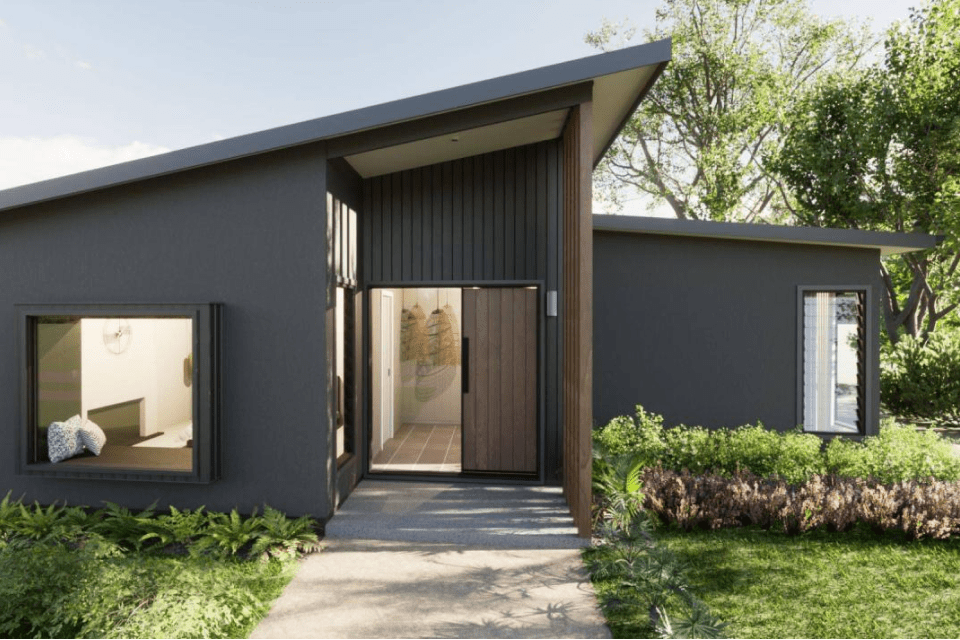
Pros and Cons of Knockdown Rebuild
If you are considering selling and moving, or buying land and building, a knockdown rebuild can be the perfect solution. The list of pros and cons of a knockdown rebuild will help you decide.
Pros of Knockdown Rebuild
- Customisation: A knockdown rebuild allows for customisation of a new home with full control over the layout, inclusions, architectural style and room sizes. Custom-built homes can be built with sustainable features for energy efficiency and savings on bills. They can be built to incorporate indoor-outdoor living for the ultimate entertainment zones, or with all the modern inclusions like automated blinds, smart appliances or inbuilt technology.
- Increased property value: A modern, updated home built on the same block will increase property value as it boasts more modern amenities and better features which automatically raises market value. A knockdown rebuild provides superior return on investment compared to renovations. A new home will typically attract higher prices than an older, renovated property.
- Stay in the area: A knockdown rebuild allows homeowners to remain in their existing neighbourhood while benefiting from a newly constructed residence. This approach enables continued access to preferred schools, community facilities and established social networks.
- Brand new home: With a knockdown rebuild you have a brand new home and avoid the hassles that come with an old house with outdated features. Maintenance is also reduced with a new home compared to an older home, which may require more costly repairs.
- Warranty and insurance coverage: A knockdown rebuild project also benefits owners with a fresh warranty and builders insurance periods on the new home. This warranty covers structural defects for up to six years, and non-structural defects for two years. Apart from home warranty and insurance, there will also be fresh warranties on new appliances and fixtures throughout the home.
Cons of Knockdown Rebuild
- Time commitment: It can be a longer exercise to knock down and rebuild a home rather than selling and moving. However, it is usually faster than extensive renovations.
- Navigating council regulations: There can be a number of building codes and zoning regulations to navigate with a knockdown rebuild. However, builders like Forme Homes who specialise in knockdown rebuilds will take care of the majority of the council regulations, planning permits and building approvals.
- Temporary relocation: During the knockdown and rebuild stages, it will be necessary to temporarily relocate and put items into storage.
- Neighbourhood issues with noise: The process of a knockdown rebuild can be loud and disruptive for neighbours. Proactively notifying them of the timeline and expected disruption can reduce conflict.
How to Save Money on a Knockdown Rebuild
With some forethought and planning, it is possible to save money on a knockdown rebuild. To maximise savings, approach the project with careful planning and clear priorities. Tips to keep costs to a minimum include:
- Prepare a budget and add a buffer: Be aware of all of the costs associated with a knockdown rebuild and prepare an affordable budget. When complete, add a 10-15% contingency buffer to prepare for unexpected discoveries along the way.
- Choose the demolition company carefully: Usually the demolition part of the process is up to the individual to organise so choose the demolition company carefully. Confirm there are no hidden costs and shop around for quotes as prices can vary significantly.
- Consider house removal instead of demolition: Some companies will pay you for your existing home, remove and relocate it. This can be a good alternative instead of demolition, saving in knockdown costs.
- Salvage reusable materials: When the demolition company prepares a quote, they will usually take into account reusable materials that can be salvaged. Materials that can be salvaged are bricks, metal, timber, glass, floor coverings and window furnishings.
- Assess site conditions and be aware of potential costs: Before a knockdown rebuild, assess its worth from a financial standpoint, particularly in relation to site conditions. The site access can majorly impact the cost of the demolition and interfere with your budget. Contact a demolition company or builder for advice on potential site costs.
- Choose the builder carefully: Having the right builder is essential for a successful knockdown rebuild and will save you money in the long run. With the wrong builder, costs and the timeline can extend significantly. When reviewing the builder’s pricing, look for items without fixed pricing and avoid as many as possible as these can lead to cost blowouts. The right builder will communicate well, have the right credentials and be able to offer references and recommendations.
- Make the design simpler and the home smaller: In order to save significant money on a knockdown rebuild, minimising the size of the home and/or simplifying the design is essential. A home that is smaller or less complex will cost much less to build.
- Choose standard materials: To optimise costs, prioritise standard materials for the majority of the project. You can still opt to select some premium, high end materials like granite or marble as accents to add character, while staying on budget by making the majority of selections from the more economical ranges.
A knockdown rebuild represents strong long-term value for homeowners seeking a modern, efficient and purpose-built residence. Compared with time intensive renovations, rebuilding proves improved construction quality and reduced ongoing maintenance expenses. With costs ranging from $400,000 to $1,200,000+, a knockdown rebuild can substantially increase property value. The team at Forme Homes are experts in knockdown rebuilds, contact us to start planning today.