Building a new house on existing land, commonly referred to as a knockdown-rebuild or infill development, is a strategic property decision that allows owners to maximise the value of their land. Owning your own land allows the freedom to build the type of home that suits your lifestyle and taste. Large blocks of land also offer subdivision potential and may provide enough space to build another dwelling. Building a dream home on your own land is an exciting prospect that needs careful planning and consideration from site assessment to choosing a builder and finalising the home design.

Building a New House on Existing Land
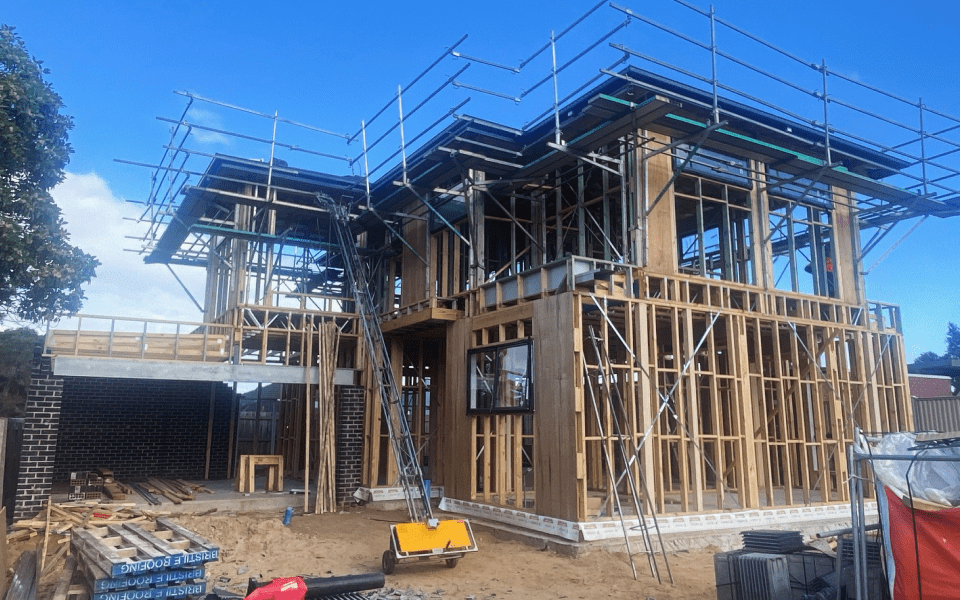


Building a New House on Existing Land
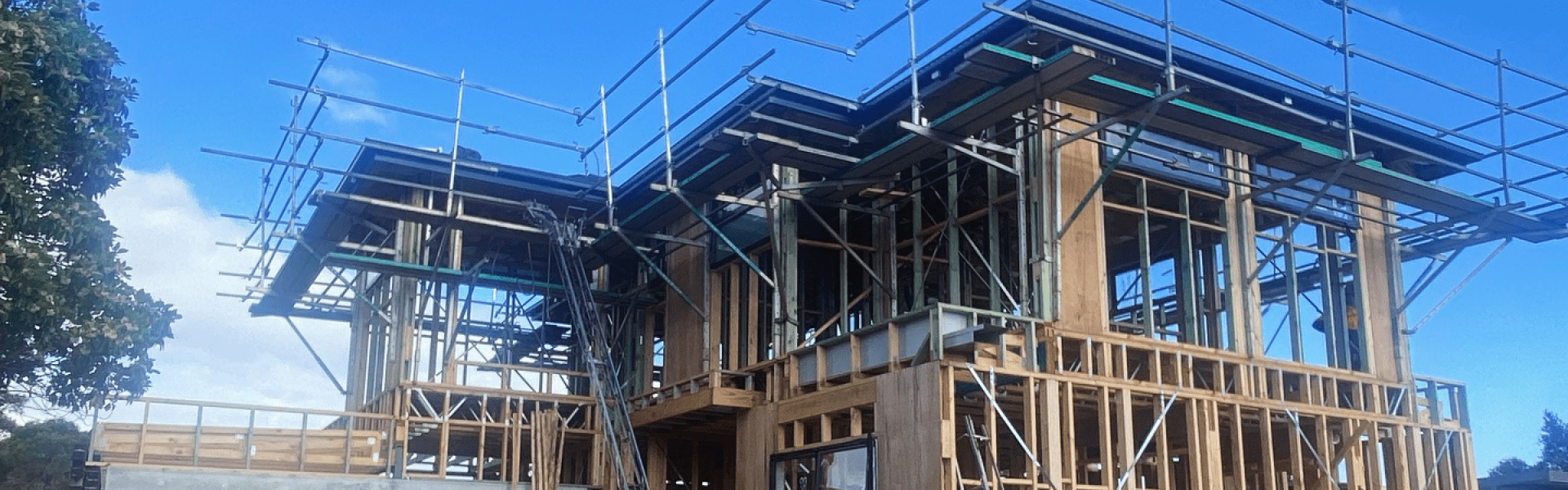
Benefits of Building a New House on Existing Land
There are significant advantages when building on existing land. When you own your land prior to building, you enjoy the freedom to custom design your home, save on stamp duty, and stage expenses instead of paying a lump sum. Key benefits of building on your own land include:
- No need to find land: When you already have your own block of land you don’t need to go through the challenge of finding a suitable block to build your home. Buying a block of land can be a little overwhelming as there are a number of factors to consider to find the right property.
- Design freedom: Building on your own lot means you have more freedom to design the home the way you want. You can personalise every aspect of the home from the layout and design to finishes and materials. With control over every detail, you can create a home that suits your unique taste and lifestyle.
- Energy efficiency: Building on your own block of land allows you to create a sustainable home that is energy efficient. Homes that are energy efficient are sought after with buyers looking for sustainable living. They offer significant savings and increase resale value.
- Staged expenses: When you build on existing land, you can stage the expenses through a construction loan which draws down funds at each building stage. Rather than paying an upfront lump sum, money is typically released at milestone stages like slab, frame, lock-up and completion.
- Savings on stamp duty: When you build a house you do not have to pay any stamp duty on the house as no land transfer is taking place. Stamp duty is the tax you pay to have a property transferred into your name.
- Manageable decisions: Decisions are more manageable when building on an existing block. With your own block you can assess the slope, soil type and orientation prior to considering design and construction. It gives you time to define a realistic budget and understand local regulations.
Types of New Builds on Existing Land
There are three main ways to build on existing land. You can build on a vacant block, knockdown and rebuild a new home, or subdivide.
- Vacant land build: When building on vacant land, it may be brownfield or greenfield. For both, the block will have no structure on it. Greenfield is land that has never been developed before and may be a new estate transformed from farmland. Brownfield, on the other hand, may have been an industrial area that is redeveloped for residential. This site that was previously developed is now vacant and used for new residential allotments.
- Knockdown and rebuilding: With a knockdown rebuild, the original house is demolished so that a new build can take place. A knockdown rebuild allows homeowners to build something more modern and updated while staying in the same location.
- Subdivision and building: When you divide one parcel of land into two or more lots it is called a subdivision. You can then build a new house on the subdivided piece of land with the proper permits.
Factors to Consider Before Building on Existing Land
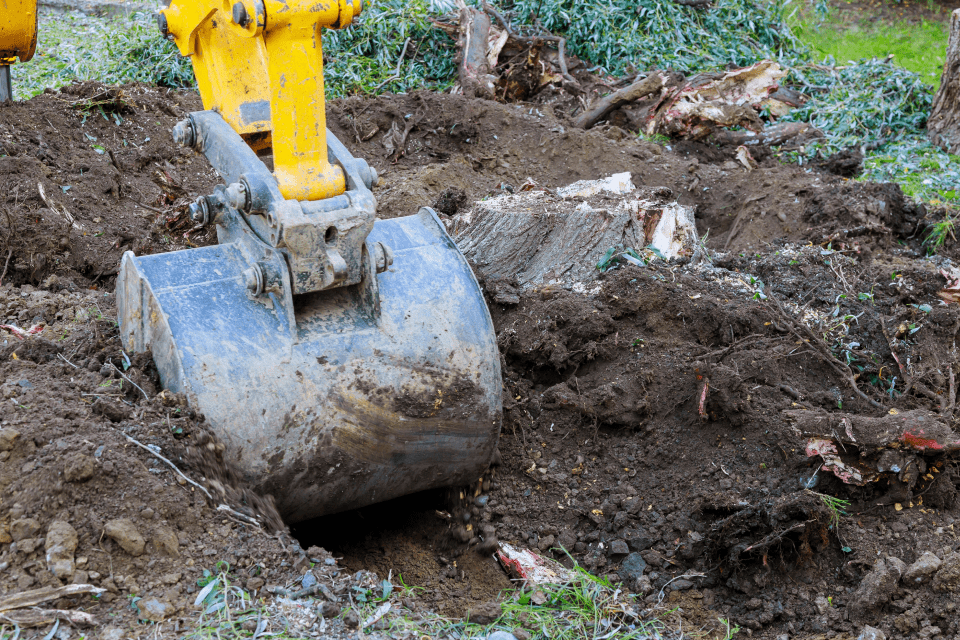
There are a number of things to consider prior to starting the building process.
- Topography and drainage: Considering topography and drainage is essential for proper site planning and house design. Topography is the physical characteristics of the land like the slope and natural features like rocks and hills. It determines building design and placement, foundation type and stormwater management strategies.
- Soil quality: The type of soil affects foundation requirements, construction methods and long term stability. Different soil types like sand, clay or silt have varying load bearing capacity and susceptibility to moisture which can impact the type of foundation needed.
- Utilities and access: Before building begins, it is important to identify existing utilities, check for power lines, gas, water and sewerage lines. Understanding site specific utilities like underground services ensures clear access for construction prior to digging.
- Zoning and permits: Find out what zoning and planning permits are required before you build. Planning permits give permission to develop or use the land in a particular way when you are building a new home. Building permits are documents certifying that the proposed building complies with building regulations.
- Budget: Establish a realistic budget when building on existing land. Take into account construction costs, site preparation like excavation or retaining walls, landscaping and driveways. Remember to have an amount put aside for hidden costs that may arise.
Steps for Building a New House on Existing Land
With your own land already purchased, building a new house involves a detailed process ranging from establishing a budget and finance to choosing a builder and home design.
- Choose a builder: Choosing a custom builder is widely considered the best choice for achieving a home tailored to your specific site conditions and personal preferences. When building a new home on your own land, custom builders can create home designs that maximise the site’s potential. They have knowledge of how to handle challenging blocks such as sloping or with restricted access. Custom builders often have knowledge of local areas and valuable expertise on council regulations and zoning laws. While volume builders may offer lower costs, they often charge premiums for challenging blocks or home designs.
- Finalise home design: If working with a custom builder, the design process will be a collaborative project. It often involves several consultations with the in-house designers to ensure the layout, size and specifications align with your vision.
- Apply for grants and financing: If you are a first home buyer you may want to apply for the First Home Owner Grant which is a payment of $10,000. For those borrowing money to build, contact financial institutions to organise a construction loan.
- Demolition: If the block is a knockdown rebuild, the existing house will need to be demolished. This involves hiring a demolition contractor to knock down the existing structure and remove debris.
- Site preparation: Once demolition has taken place, or if you already have vacant land, the next step is site preparation. This involves grading and levelling to the required elevations to prepare for the next stage such as the pouring of the foundation.
- Begin building process: With the site prepared, finance organised, a builder and design, the next step is the start of construction.
Cost to Build a New House on Existing Land
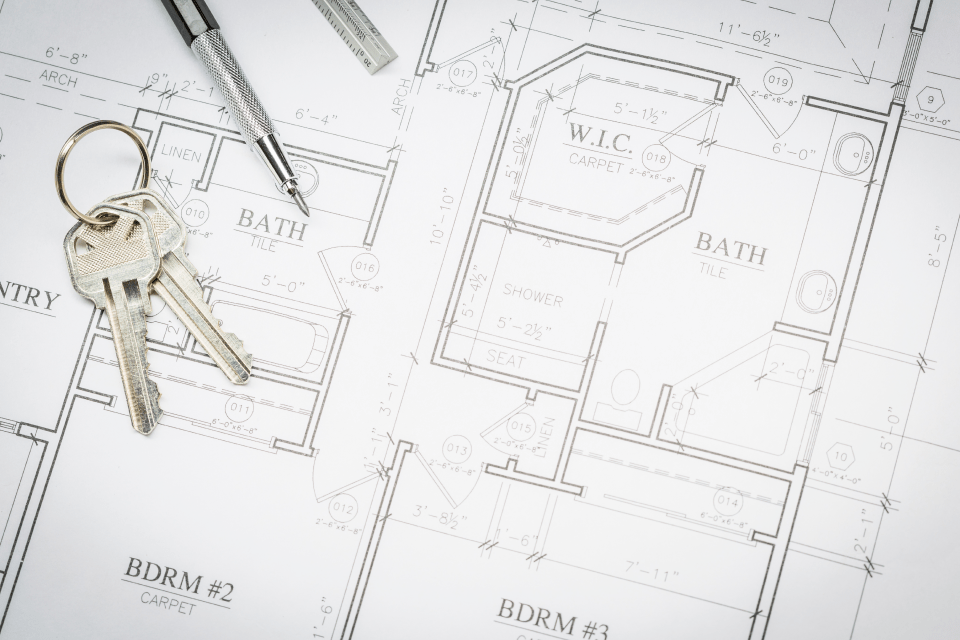
The cost to build a new house on existing land will vary depending on a variety of factors like house size, design, location, material choices and builder type. The average cost for building is about $2,000 to $4,300 per square metre which accounts for lower and higher end builds. Factors that contribute to the cost include:
- House size and design: A larger home requires more materials, labour and time and so will often cost more to build. A big home with more bedrooms will often have extra bathrooms that involve costly plumbing, electrical work and water proofing. A second storey is always more expensive to build than a single storey home.
- Site conditions: The cost to build can be influenced by the type of site, its slope, soil type and any vegetation on the land. A sloping block is more complex to build on so it often costs more for construction. If a home needs to be demolished first, costs increase for permits and professional demolition fees. A knockdown rebuild can cost anywhere from $400k up to $1.2m+.
- Quality and finishes: The quality and finishes have a significant impact on the cost of the build. Budget, mid-range and premium finishes may vary dramatically in cost per square metre.
- Council requirements: Planning and building permit fees are required by council and add to the cost to build. However, there are also other significant costs that may be site specific like those for bushfire zones or heritage overlays.
Alternatives to Building a New House on Existing Land
- Buying existing: Rather than building on existing land, one option is to buy an established home. An established home is one that has already been lived in and has existing infrastructure and landscaping. Established homes sometimes can need more maintenance particularly if they are older and have hidden issues.
- House and land package: Unlike building a new house on your own existing land, a house and land package is purchased together, often through a developer. These are common in new estates and developers offer a range of house designs and land size options.
- Buying a ready-built home: A ready-built home is one that has been built and is ready to move into but has never been occupied. These homes are often referred to as ‘spec homes’ and are pre-designed, pre-priced and can be occupied immediately. With ready-built homes, there are no customisation options or changes to the layout or design.
Building a new house on existing land allows you to customise every detail to fit your style and needs. Whether you own a vacant block of land, are doing a knockdown-rebuild, or subdividing, you can build the home you’ve always wanted. Forme Homes are the ultimate custom home builders and designers so contact them today to start building your dream home on your block of land.