If you’re thinking about entering the property market, building a duplex in Australia can be an excellent investment, allowing you to make the most out of a single block of land. By prioritising high-growth areas, making smart design choices and carefully accounting for any hidden costs, you can maximise your rental yields and ensure your duplex investment pays off.

Is Building a Duplex a Good Investment?


Is Building a Duplex a Good Investment?
Why Duplexes Appeal to Investors
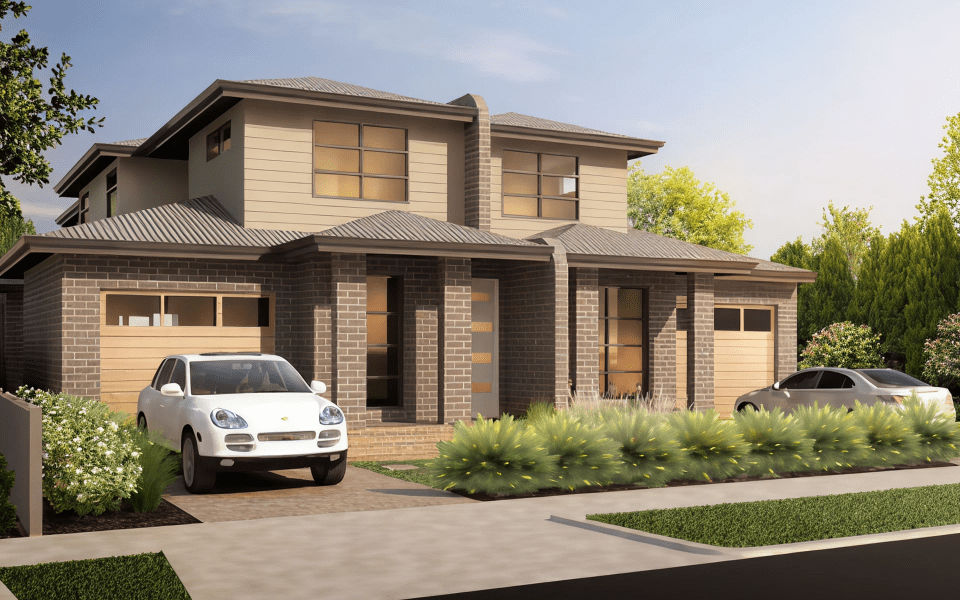
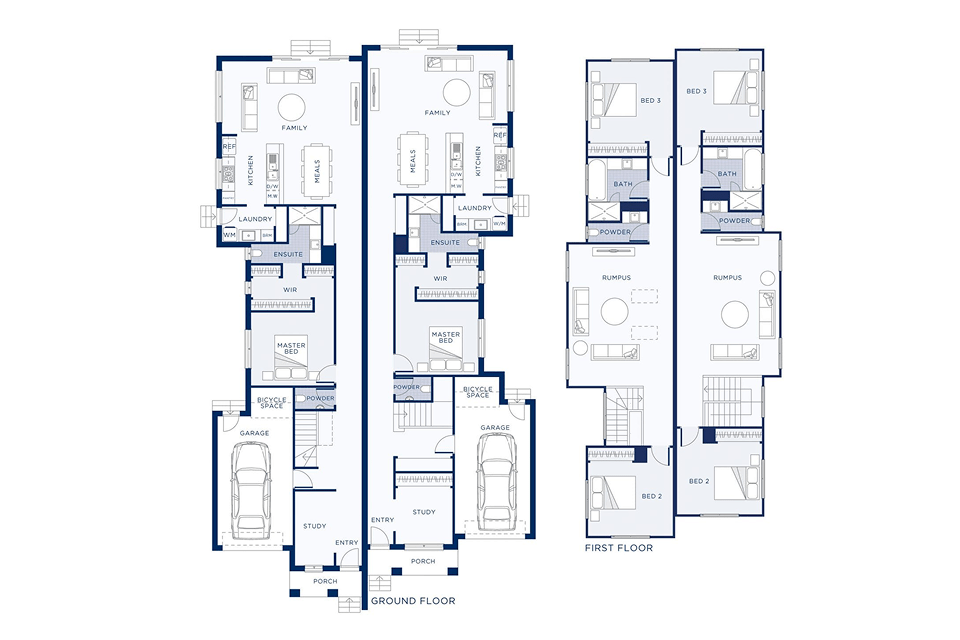
Also known as a dual-occupancy home, a duplex contains two separate dwellings, each with its own parking space, yard, entrance and amenities, connected by a shared wall. Investors love duplexes because of their opportunity for strong return on investment. Some key reasons duplexes are so appealing to investors are:
Affordable building costs
Investors and home-buyers love duplexes because they can be a more cost-effective option than standalone homes. Especially when you factor in the price for land, a duplex can make the most of a single block, with two separate properties that can potentially generate stronger returns than if you were building just a single home.
Multi-generational living
Duplexes can be an excellent way to stay close to family, without having to share the same house. If it’s a family member that requires supervision or extra care, a duplex can ensure they receive all the help they need, while maintaining the privacy of two independent living spaces.
Instant equity
By building two separate homes on the same block of land, your duplex has the potential to be valued higher than the total project cost once completed. This is what’s called ‘instant equity,’ with some duplex owners reporting gains of over $200,000 within the first 12 months.
Rental income
Investors can potentially generate two separate streams of income by renting out both homes. You may even choose to live in one house yourself and rent out the other one. Having the flexibility to rent out your duplex can significantly reduce the financial burden of mortgage payments.
How Much Does it Cost to Build a Duplex in Australia?
Currently in Melbourne, the average price for building a duplex sits between $845,000 to $1.56 million+. Although the exact costs will vary depending upon your choice of design and size. The following table provides a breakdown on the average prices for different build types and sizes:.
| Build Type | Typical Size Per Unit (m²) | 2026 Turnkey Cost | Band ($/m²) |
| Single-storey, mid-spec | 220 | $480k – $700k | $2,200 – $2,800 |
| Two-storey, mid-spec | 280 | $700k – $1.05m | $2,500 – $3,400 |
| Two-storey, custom spec | 320 | $1.05m – $1.7m | $3,400 – $3,800 |
Location will also be a critical factor to your final price. This is due to differences in labour rates and the availability of materials or workers in your area. The following table provides an estimate price for some of the major cities in Australia:
| City | Estimated Build Cost (Excl. Land) |
| Sydney | $780,000 – $1.95 million+ |
| Melbourne | $845,000 – $1.56 million+ |
| Brisbane | $910,000 – $1.82 million+ |
| Canberra | $715,000 – $1.43 million+ |
Importantly, these averages exclude the cost of land, which should be a major consideration for estimating your total project cost. For a more detailed estimate, we recommend contacting the team at Forme Homes who can provide a specialised quote for your duplex project.
What is the Potential Return on Investment?
A duplex with the right location and market conditions can offer a strong return on investment (ROI). Based on averages, you should expect duplexes to deliver gross yields of approximately 5-10%, with dual rental income and capital appreciation contributing to overall returns.
The capital appreciation for duplexes is significant. For example, you may have acquired land and constructed a duplex for approximately $800,000. The two halves of your duplex can appreciate individually, meaning both properties could be sold for $450,000 each, generating a total profit of $100,000.
Beyond capital growth, duplexes can excel with competitive rental yields. In high-demand areas, the ability to collect two rental incomes simultaneously makes them a particularly attractive proposition for investors seeking maximum returns.
It should be mentioned that your exact ROI will depend heavily on location, as attractive areas with high demand usually attract better tenants and drive higher capital growth.
What are the Hidden Costs of Building a Duplex?
Property investments don’t come without extra costs, which can quickly add 20% to your base price. The following are just some of the hidden fees to consider before going ahead with a new duplex build:
Certification and inspection fees
Part of building a duplex is conducting inspections through the various steps of construction. This ensures everything is adhering to codes and regulations, and also identifies any potential problems. These inspections are carried out by building surveyors and will usually cost between $400 and $600.
The cost of the building surveyor and the mandatory inspections during construction is included in the building contract. If the client would like independent inspections at key stages, this is an additional fee arranged between the client and their selected inspector. Subdivision fees for the new separate titles will also be applied.
Legal and insurance fees
When building a duplex, you will likely encounter various legal costs. These include fees for conveyancing, contract reviews and title searches. Insurance will also be costly with building insurance during construction and landlord insurance once your duplex is tenanted.
Land transfer duty
Also known as stamp duty, this is a state government tax that new owners will be required to pay with the purchase of land. This is calculated as a percentage of the property’s value and is one of the highest upfront costs in any property transaction. Stamp duty will need to be paid as part of your settlement, so ensure you budget for it on top of your deposit, inspection fees, moving costs and other expenses.
Consultant Fees
Building a duplex typically requires the assistance of a range of specialists, including town planners, builders, surveyors, tradespeople and consultants. Fees for their services can add up quickly, so be sure to factor these into your final budget.
There are also additional fees to service providers such as Power, Communications, Water, and Sewer, who will often require contribution fees. The local council may also require fees for development.
Repairs and maintenance
If you plan to rent out your duplex to tenants, it’s important to factor in any ongoing costs. This includes any maintenance for general wear and tear, as well as any emergency repairs that may arise, such as plumbing, electrical work, appliance replacements or damage.
What are the Risks of Building a Duplex?
Although a duplex investment can deliver strong returns, it’s important to be aware of the following potential risks:
Construction cost overruns
Construction cost overruns are one of the most common risks for any new build. These can be caused by unexpected site conditions (e.g. sloping land, reactive clay, solid rock or contaminated soil), rising material costs, or mid-build design changes. Many homebuilders recommend a contingency to cover any unforeseen costs, which can be 5-8% of the total budget. It is important to have a contract that has most of these items included and fixed price.
Delays in building timelines
Although builders aim to keep to the expected timeline, delays can occur that push back the completion date. Delays are common and can be due to adverse weather, the availability of tradespeople and issues with the supply chain. If delays extend for several months, this can place significant financial and emotional strain on the owner, who must balance the costs of the new build alongside their existing home.
Market downturns affect rental income or resale value
The property market is always subject to change, and no investment, no matter how safe it initially appears, is immune to broader economic shifts. Make sure you research the local demand for duplexes, vacancy rates, and any indicators of long-term growth in your area.
Difficult tenants
Once your duplex is built, and you’re looking to harness the dual-occupancy potential as a rental, you may have to manage the potential risks of tenancy. This could include difficult tenants, missed rental payments, or a prolonged vacancy in one unit that reduces your rental income.
Market Trends and Future Outlook
Within Australia, the outlook for duplexes is positive, with demand expected to increase. Particularly with the cost-of-living pressures limiting borrowing capacity, duplexes are increasingly viewed as an affordable alternative to traditional housing, which is helping to drive growth.
The federal government’s National Housing Accord, which is a pledge to build 1.2 million new homes by 2029, signals strong growth within the duplex market. This is because duplexes are crucial to meeting these targets, serving as the middle ground option between standalone houses and high-rise apartments. They are a medium-density solution that allows for smaller, faster-built homes to accelerate housing in existing suburbs. With duplexes expected to play a critical role in addressing Australia’s housing crisis, demand for this type of housing looks set to increase through 2030.
The value of duplexes is also expected to see steady growth. Recent forecasts from KPMG suggest that housing prices, which include duplexes, will rise by 7.7% through 2026.
How can you Ensure a Duplex Investment Pays off?
Although duplexes promise great returns, they’re not always guaranteed success. Without the right guidance, the wrong decision can easily affect the future of your investment.
Firstly, it’s important to make smart financial choices when planning your build. While high-end finishes can be tempting, they rarely add enough value to justify the extra cost. We recommend working with a builder to find the right balance between what you can afford and what will be attractive to renters and potential buyers.
Location will also be paramount in maximising your investment. Try to prioritise an area that’s close to local amenities, public transport, parks or schools, which are the typical factors to increasing a property’s value. Also, try to avoid locations with a multitude of duplexes, as an oversupply can reduce rental returns. The location you choose will also affect the type of duplex you build. For example, if you choose an area with low land value, you don’t want to spend too much on a high-end build if it doesn’t align with market expectations.
Working with a trusted builder, such as the team at Forme Homes, ensures you get a high-quality duplex that meets your expectations and delivers a strong ROI. For more information, please contact the team here.