As families grow and their needs change more space is required and a compelling solution can be to extend your current home. Extensions add value to the home while creating more space, all while allowing you to customise and modernise decor and appliances. With an extension, you don’t need to worry about moving to another suburb or area as you’re simply adding extra rooms to your current home. Extending a home may be more affordable than moving which may have the added expenses of stamp duty, agent and removalist fees. In this article we will explain how much a house extension may cost, types of extensions and factors that affect the cost of extending your home.

House Extension Cost


House Extension Cost
What is a House Extension?
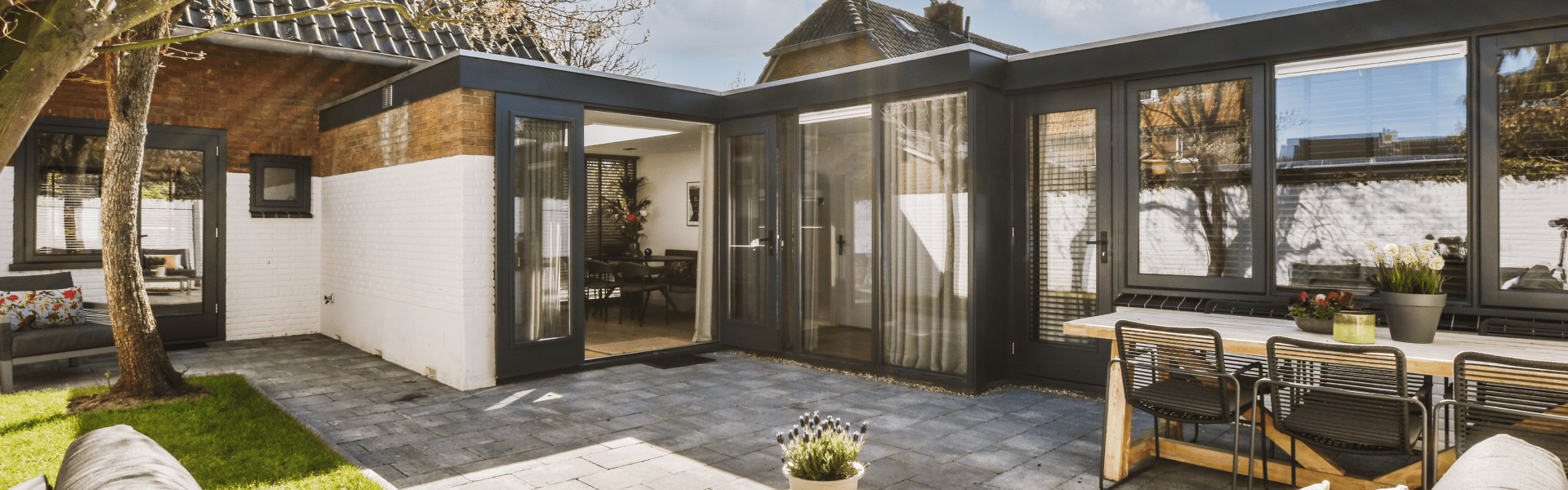
A house extension is when you add a room or multiple rooms to an existing house. Common examples of house extensions are adding additional rooms or storeys to your home, i.e. adding new bedrooms, a larger kitchen, or second storey.
Reasons for a House Extension
There are a number of reasons you should consider extending your house.
- Need more space: The main reason for a house extension is to increase space in the home. If you have a growing family or simply need extra space for hobbies or a changing lifestyle, it is a great reason to consider extending your house.
- Love the area and don’t want to move: Extending your home allows you to stay in the area you love. You do not have to move from your familiar community and can still enjoy the benefits of local schools and amenities.
- Cheaper than buying a new home: When you consider real estate agent fees, stamp duty, and removalists costs as part of the cost of moving home, choosing to extend is often a more affordable option.
- Increase home value: A house extension adds square metres to the home which can significantly increase the home’s value. A well-executed extension will typically add about 15% to 25% more value than the cost. Kitchen and bathroom extensions tend to provide the highest returns.
- Capitalise on rising land values: As a house extension allows you to retain ownership of the land, it is a good way to capitalise on rising land values.
Average cost of a House Extension
The average cost of a house extension is approximately $2,000 to $4,500 per m2 depending on a number of factors like the type of extension and materials used. A 70m2 ground floor extension may cost between$140,000 and $315,000 on average. If it is a second storey, the price may be 50% more than that, but will vary based on the scope of works and the builder.
Examples of Extensions and Their Costs
The main types of extensions are ground floor, second storey, bedroom, kitchen and dining, or major extensions and each have different requirements and different costs.
Below is a list of the main types of extensions, what they are, and a generalised standard industry pricing guide. Please note that the exact specification of your project and the builder you choose will influence the pricing, and the below can be considered as a basic guide.
| Ground floor extension:
An extension on the ground floor that involves adding rooms to expand the footprint of the house. This might be to add a bedroom, kitchen or living areas without adding another storey. |
Standard industry pricing per m2:
$2,000 to $4,500 per m2 |
Approximate standard industry cost for a 60m2 extension:
$120,000 to $270,000 |
| Second storey addition:
This is where a new level is built on top of the existing ground floor as a way to extend living space, bedrooms, and kitchens. It preserves the original footprint of the house. |
Approximate cost per m2:
$3,000 to $5,000 per m2 but up to $15,000 per m2 |
Approximate cost for a 60m2 second storey extension:
$180,000 to $300,000 or up to $900,000 |
| Bedroom addition:
Adding a bedroom could entail a simple extra bedroom in the home or the addition of a master bedroom with walk-in robe and en suite. The cost will depend on the size of the area added. A small bedroom will be significantly less than a large master with walk-in robe and en suite that requires plumbing. |
Approximate cost per m2:
Single bedroom: $2,000 to $4,500 per m2 Master and en suite: $3,500 to $5,000 per m2 |
Approximate overall cost
Single bedroom of 10 m2: $20,000 to $45,000 Master and en suite of 15 m2: $52,500 to $75,000 |
| Kitchen and dining extension:
Extending a kitchen and dining room typically involves making the kitchen larger, adding more bench space, appliances and fittings and adding a larger dining area. |
Approximate cost per m2:
$3,000 to $5,000 per m2 |
Approximate cost for a 35 m2 extension:
$105,000 to $175,000 |
| Major extension:
This is the largest of extensions and involves removing walls and reconfiguring existing layouts. A major extension can include changes to the kitchen, living areas, bathrooms and bedrooms. |
Approximate cost per m2:
$2,000 to $4,500 per m2 |
Approximate overall cost:
$300,000 to $600,000+ |
Factors That Affect House Extension Cost
Several factors can affect how much an extension is going to cost. The size and complexity are the primary determinants but other elements like plumbing for wet areas, and even builders experience impact final cost. The main factors that can impact an extension cost are:
- Size and complexity: The size and complexity of the extension is the biggest determining factor in a house extension’s costs. A major house extension will cost significantly more than adding a single bedroom. As a basic estimate, the cost of the extension can be calculated on an average price per square metre.
- Design: Design is when you get to customise the home to your own taste and style including the new floorplan, wall sections, ceilings, finishes and fittings. The design of the extension has an impact on the cost. A simple and straightforward design will cost less than a more complex layout. Using architectural features like high ceilings, large windows and bifold doors will add to the cost of the extension. Even large open plan rooms can increase the cost as they may require more engineering and strong beams included in the design.
- Wet areas: Due to the need for plumbing work, wet areas like bathrooms, kitchens and laundries are generally more expensive to build. Wet areas require specialised trades like plumbers and tilers which increase labour costs.
- Site access: Challenging sites like sloping blocks that are hard to access can increase the cost of a house extension. A site that is difficult to access will need specialised equipment like cranes or mini excavators which can increase construction costs. Heavily treed blocks will require tree removal prior to construction.
- Materials and Finishes: The type of materials you choose for your extension will play a significant role in the overall cost. High-end finishes in paint, flooring, light fittings and benchtops will elevate the look of the home but will also come with a price. Similarly the choice of materials will impact the final cost. If you choose granite for the house facade, it will be far more costly than brick veneer, for example.
- Permits and approvals: All construction projects will require permits and approvals. While the builder will take care of organising these items, these costs need to be factored in.
- Builder expertise and experience: Factors like experience and reputation can impact how much a builder may charge for an extension project. More experienced builders can sometimes charge more for their work which can raise the total cost of the extension. It is important to choose your builder wisely, making sure you don’t sacrifice saving money for quality and longevity. A high end custom builder will provide superior quality, ensure the home reflects your lifestyle and choices, and allows customisation so you can end up with your dream home. Custom builders like Forme Homes ensure unique homes built with premium materials and craftsmanship, attention to detail and a personalised journey.
- Heating and cooling: Adding heating and cooling can add a significant amount to the overall cost of the house extension. Installing these systems usually requires ductwork, unit installation and subsequent insulation. A good quality heating and cooling system can end up saving you money in the long run on energy bills so it is often worth investing in, but will impact the overall cost of the extension.

Hidden Costs of House Extensions
Sometimes during the process of an extension project, some hidden costs can arise. While it is important to know the main factors that contribute towards cost as these are the most likely, these potential hidden costs should be taken into account.
- Structural problems: Sometimes structural problems can arise during the building process. One of the most common issues with a structure is cracks in the foundation or unstable stumps. It is important to have a foundation inspection prior to beginning the extension. Left untreated, foundation issues will lead to the house being less stable. Changes in floor plans with an extension design can also impact load bearing walls. Structural weakness will occur if there is no planning for reinforcement during the modification process.
- Temporary living arrangements: If the extension is minor with one or two bedrooms, you may not have to move out during the building process. However, major extensions will most likely require temporary living arrangements during the build. This may mean moving in with family or friends or renting a place for several months to a year, all of which add to the overall expense.
- Delays and disruptions: Sometimes weather conditions, builder availability and material shortages can lead to expensive delays and disruptions. These unavoidable circumstances might mean you have to pay more for rent while living away from the home, or there may be additional finance charges if you are using a loan to pay for the extension.
- Energy requirements: The new energy requirements may impact the existing home, requiring additional insulation or double glazing to meet the new regulations.
How To Manage House Extension Costs
To effectively manage house extension costs, it is important to be aware of the factors that impact the overall project price. However, there are other ways to manage house extension costs before and during the project.
- Set a budget: Set a realistic budget taking into account factors such as builders labour costs, materials and unexpected expenses. Be practical about how much you can afford to spend while being aware that sometimes costs can escalate due to unforeseen circumstances. Monitor your budget throughout the construction process to make sure costs are not blowing out.
- Prioritise needs: Identify what you really need to include in the extension and what you can afford to not have when at the design phase. This is a way to keep costs to a minimum. Remember you can always add extra features later.
- Consider staging: If the overall cost of the extension is too expensive, consider staging the project into more manageable pieces. You might decide to just extend the living room first and then do the bedroom extension months or years later.
- Simplify your design: Choose a straightforward design with rectangle or square shaped rooms rather than complex spaces that will require more labour and higher material costs.
- Use less expensive or recycled materials: Incorporating recycled or less expensive materials can significantly reduce the cost of the house extension. Timber flooring from an existing home could be reused, or even recycled steel for structural components. Less expensive materials like prefabricated panels or concrete blocks can be used for the walls and roof and can be quickly assembled on site to keep costs down.
House extensions can be a great way to make more room in the home without having to move. They are often less expensive than relocating and you get to stay in the same area. When considering a house extension it is important to know approximately how much it will cost to help plan a budget and ensure a smooth building process. In this article we have explained what house extensions are, the type of extensions and how much each may cost. The team at Forme Homes are experts in building extensions so contact them to find out more.